You know what's wild? People will tattoo a logo on their body for a team that hasn't won anything in 30 years. They'll wear the jersey after a soul-crushing loss. They'll defend them in arguments they know they can't win.
And they'll show up next season. Every single time.
That's not marketing. That's tribalism. And if your brand could bottle even a fraction of that loyalty, you'd never worry about customer retention again.
The Identity Question
Sports teams don't sell products. They sell identity.
When someone says "I'm a Broncos fan" or "I bleed blue and gold," they're not describing a purchase decision. They're telling you who they are. The team becomes part of their self-concept. It's woven into how they see themselves and how they want to be seen.
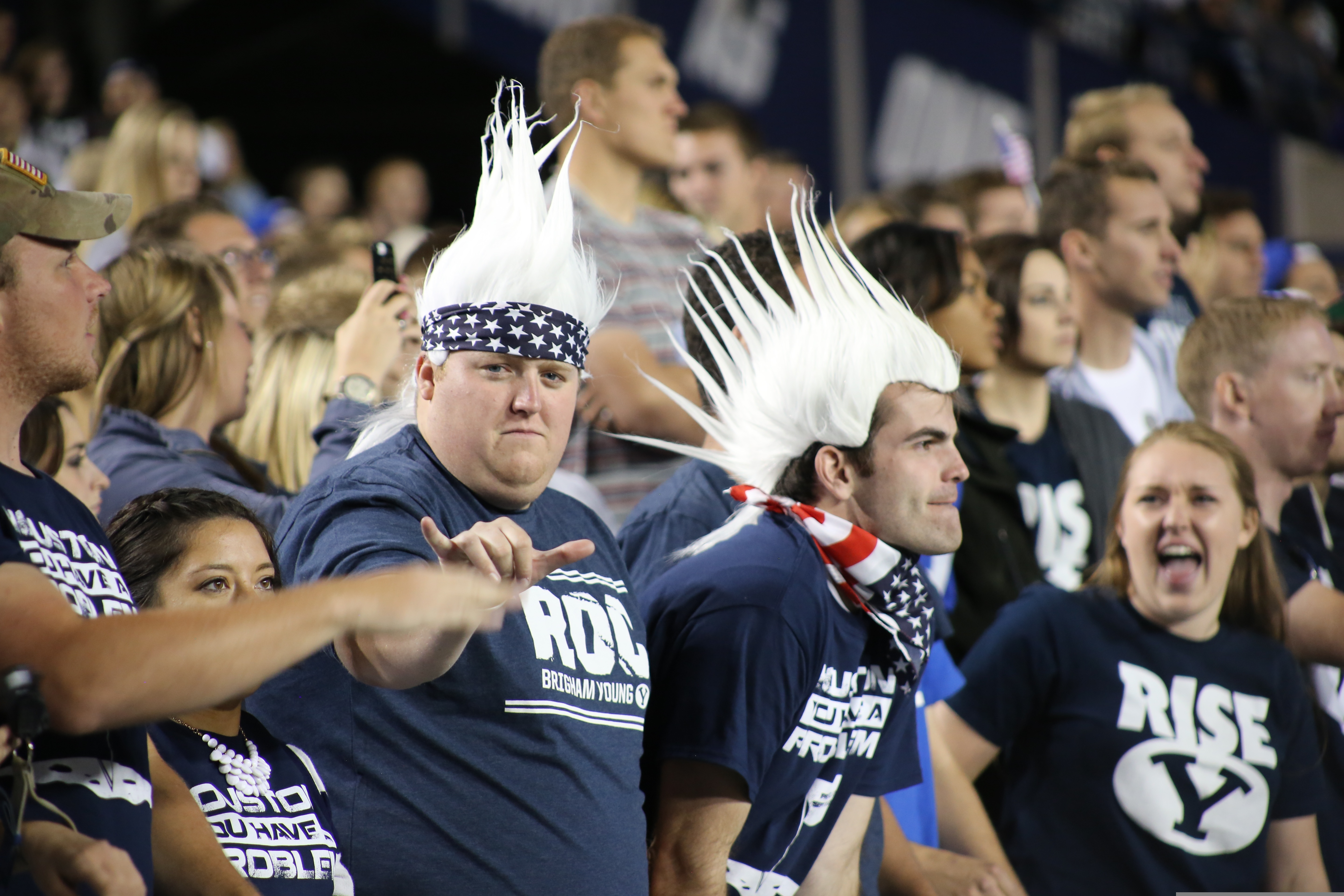
Your brand needs to answer this question: What does it say about someone when they choose you?
Not what you sell. Not your features. What does buying from you say about who they are or who they want to become?
Shared Suffering Creates Bonds
Here's the counterintuitive part: losing doesn't kill loyalty. It strengthens it.
When a team has a rough season, the fans who stick around feel connected to each other. They've suffered together. They've weathered the storm. And when the team finally wins something, that victory feels earned. It belongs to them.
The loyalty paradox: Sports fans are most loyal not during championship runs, but during rebuilding years. Shared struggle bonds people harder than shared success.
Brands hide their failures. Sports teams can't. And that vulnerability creates emotional investment.
This doesn't mean you should tank your business. But it does mean you should let your customers see the real challenges you face. When you're transparent about difficulties and your customers stick with you anyway, you create advocates, not just buyers.
Rituals Matter More Than Wins
Ask a die-hard fan what they love about game day. They won't start with the scoreboard. They'll talk about the tailgate. The bar they always go to. The jersey they wear. The friend they text during the third quarter.
The rituals around the team matter as much as the team itself.
Smart brands build rituals:
- The morning coffee brand that becomes part of your routine
- The newsletter that lands in your inbox every Tuesday
- The product launch you circle on your calendar
- The annual event your customers plan their year around
Rituals create repetition. Repetition creates familiarity. Familiarity creates loyalty.
Us vs Them Is a Feature, Not a Bug
Every sports team has rivals. And fans love it. The rivalry gives them something to rally against. It sharpens their identity. It makes supporting their team feel active, not passive.
Most brands are terrified of polarization. They want everyone to like them. But being for everyone means being for no one.
Reality check: The brands with the most devoted fans also have the most vocal critics. Apple. Tesla. Patagonia. Divisiveness isn't a problem to solve. It's proof you stand for something.
You don't need enemies. But you do need a clear position that some people will disagree with. That's what gives your supporters something to support.
The Stadium Experience
Sports teams create spaces where fans feel like they belong. The stadium. The supporters' section. The online community. Places where being a fan is the norm, not the exception.
Your brand needs its own stadium:
- A community forum where customers help each other
- Events where your people can meet in person
- A social media presence that feels like a gathering spot, not a billboard
- Customer stories that make others feel less alone
Belonging isn't a nice-to-have. It's the entire game.
Symbols Carry Weight
A sports logo isn't just a logo. It's a badge. It's a signal. It's shorthand for everything the team represents.
Fans wear it proudly. They display it in their homes. They paint it on their faces. The symbol becomes sacred.
Your brand's visual identity needs to earn that level of respect. It needs to mean something beyond aesthetics. When someone sees your logo, what do they feel? What do they remember? What does it represent?
Generational Transfer
Here's the ultimate loyalty metric: parents pass team allegiance to their kids. Grandparents take grandkids to their first game. The loyalty literally outlives the original fan.
How do you build a brand that people want to share with the next generation?
You build something worth keeping. Something that tells a story bigger than a transaction. Something that connects people across time.
What Sports Teams Get That Most Brands Don't
Sports teams understand that loyalty isn't transactional. It's emotional, social, and tribal. Fans don't stick around because the product is perfect. They stick around because leaving would mean abandoning part of themselves.
Your brand can create that same pull. Not through better features or lower prices. Through identity, belonging, rituals, and meaning.
The question isn't: How do we get more customers? The question is: How do we build something people want to belong to?
That's how you turn buyers into advocates. That's how you build loyalty that lasts through the losing seasons.