Gary Vee is yelling about live selling again. And annoyingly, I think he's right.
Not in the drop-everything-and-become-a-livestream-presenter-by-Thursday way. Not in the this-is-the-future-and-your-business-will-die-in-a-puddle-of-shame way. That sort of talk can go and sit with the NFT people until it's had a long think about what it did.
He's right because live selling isn't new. It's old business behaviour wearing a phone.
A good shop owner has always sold live. The customer walks in, looks at the thing, asks a question. The owner explains, tells them the difference between that one and the cheaper one, answers the hesitation without calling it an objection (because normal people don't talk like sales trainers near a whiteboard). Then the customer buys. The only difference now is the customer's on their couch and the owner's holding an iPhone.
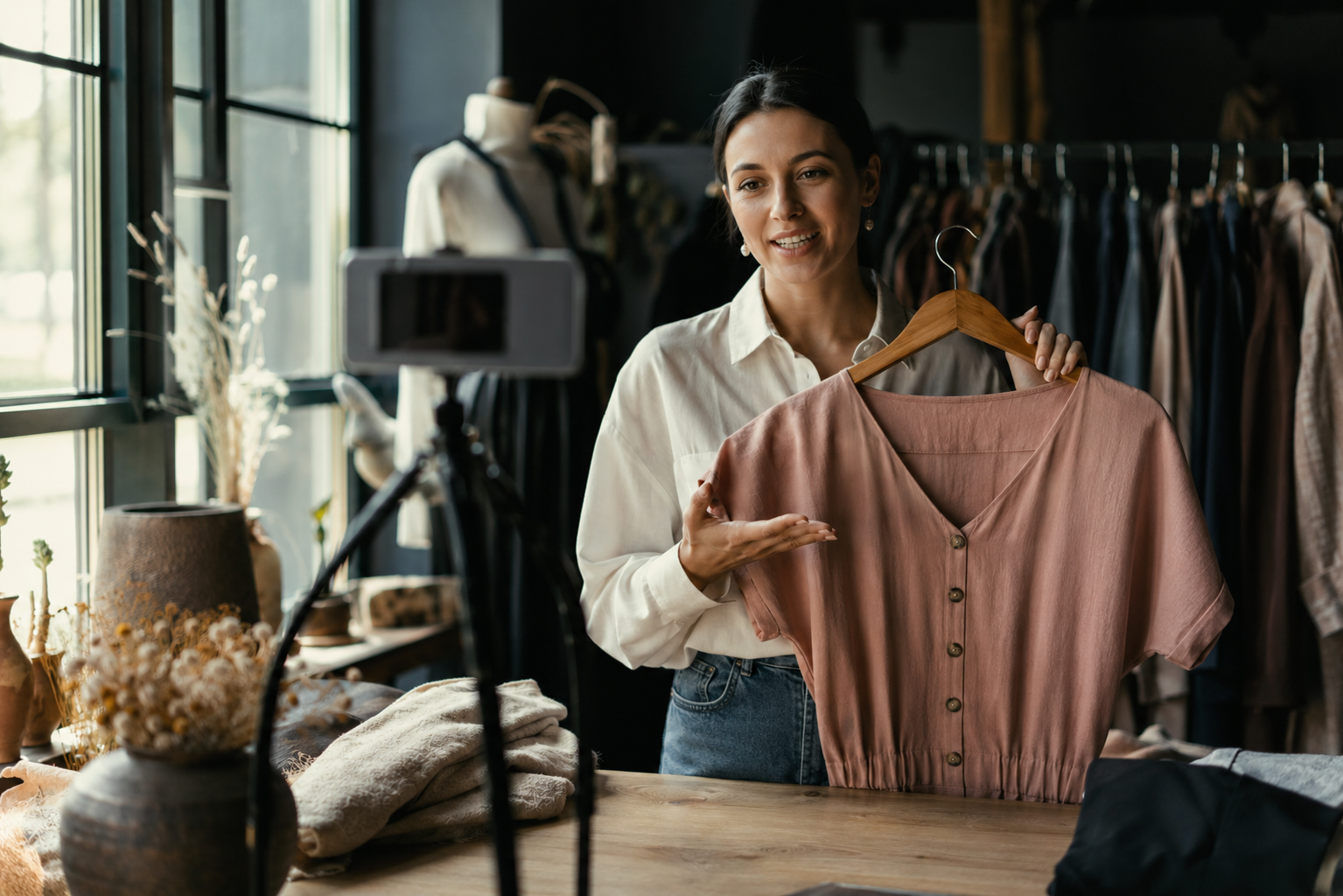
The mechanism, not the ring light
Live selling is when a business sells through a live video stream. You go live, show the thing, people watch and ask and click and buy while it's happening. That's it. No mystical funnel. No high-converting omnichannel engagement architecture. A person explains something clearly while other people are paying attention. Somewhere a bloke who sold saucepans at a market is rolling his eyes so hard he can see yesterday.
What makes it work is trust at the point of attention. If someone's watching live, you have attention. If you answer questions honestly, you build trust. If the offer is easy to act on, they buy before the moment goes cold. That's the whole thing. Not the platform, not the ring light, not the overexcited hand gestures that make everyone look like they're landing a plane.
Most small businesses already have the hard bit. You know your stuff. You know which product people always misunderstand. You know the detail that never made it onto the website because the website was written like a school assignment titled 'Our Passion For Quality'. The problem is all that knowledge stays trapped in one-to-one conversations. At the counter. On the phone. In the inbox. Live selling lets more people hear it at once.
The honest warning
Live selling will not fix an unclear offer. It will simply make the unclear offer visible. Now the confusion has Wi-Fi.
Where it goes wrong, and who should actually try it
A heap of businesses will hear 'live selling' and immediately make it weird. They'll go live with no offer, ramble while waiting for people to 'jump on', say 'I'm so excited' while looking visibly trapped, then finish with 'message us if you're interested'. That's not a call to action. It's a small shrug wearing business pants. Then they'll say live selling doesn't work. No, mate. Your live didn't work because nobody knew what they were supposed to do.
It works best when the business already has something worth explaining. A café could sell Friday night dinner boxes: show what's inside, explain pickup times, answer dietary questions, give the order link, say when orders close. A mechanic could run a pre-road-trip check: show what gets missed before driving across the state, offer a set number of inspection slots before the school holidays. If explanation helps the sale, live selling might help. If it doesn't, don't force it. Some businesses need a clearer homepage and a cup of tea.
Whatever you sell, run a live Q&A around one specific thing, not 'ask me anything'. Too broad. 'Ask me anything about getting your business ready for tax time.' Specific wins. Specific gives people somewhere to stand.
How to test it without buying six lights
Here's the road map. Pick one offer. Not a category, not a vague theme. A hamper. A booking window. A product drop. A diagnostic. Then answer the boring questions before you go live: What is it? Who's it for? Why care now? What does it cost? How do they buy? What happens after they say yes? What will they probably ask? Boring questions make good marketing. Exciting questions mostly make people buy microphones they don't need.
When you go live, start with the offer. Don't wait for people to arrive. The replay matters, so start properly. Then actually show the thing. Open the box. Try the jacket on. Compare the two options. Answer the obvious questions even if nobody asks them live, because most people lurk, judge, get distracted, watch the replay, then maybe buy later. Then make the offer again, clearly. No 'reach out'. No 'hit us up'. Tell people exactly what to do, then stop, before the whole thing slowly reverses into a ditch.
- The live is raw material, not the whole asset. The sizing question becomes a post.
- The explanation of why the premium option costs more becomes a reel.
- The price objection becomes an email.
- The moment someone says 'I didn't realise that' is the clue to what your normal marketing has failed to explain.
Most businesses don't need more content ideas. They need to notice the content their customers are already handing them.
We're giving the thinking away because that's how this should work. You don't need to pay someone thousands of dollars to grasp the idea: pick a clear offer, explain it live, answer the real questions, make the next step obvious, use the footage afterwards. Where judgement helps is choosing the offer, writing the run sheet, finding the angle, building the booking path, and making sure the whole thing sounds like you rather than a desperate sales trainer who's been left alone with a lapel mic. Live selling is a shop counter with a broadcast button. Use it properly and people trust you faster. Use it badly and you've invented a more public way to be confusing. Your move.